Leave Your Message
0%

You know, Locomotive Inverters are pretty much the unsung heroes behind modern trains. They're the component that takes electrical energy and turns it into the power that gets the train moving. These things are quite advanced, and honestly, they make trains run more smoothly and efficiently — you end up using less energy but still get good performance. Over the past few years, their importance has really blown up, especially because everyone’s pushing for greener transportation options and the ever-growing need for faster, high-speed rail lines all around the world.

But it’s not just about saving energy. These inverters also boost the reliability of trains and can cut down on maintenance costs — which is a pretty big deal. They keep things running smoothly at different speeds, so the ride feels more seamless whether you're on a passenger train or hauling freight. Plus, with the latest tech being built into these inverters, railway companies can now monitor and automate better than ever, giving them more control over their entire fleet.

Looking into how they work, their benefits, and all the different ways they’re being used, it’s clear that Locomotive Inverters are essential for the future of rail travel. Their ability to adapt to different energy sources and support new technologies really puts them at the forefront of making trains more sustainable and innovative — which is pretty exciting to think about.
Understanding Locomotive Inverters Their Role Benefits and Applications

Understanding Locomotive Inverters: Fundamentals and Definitions

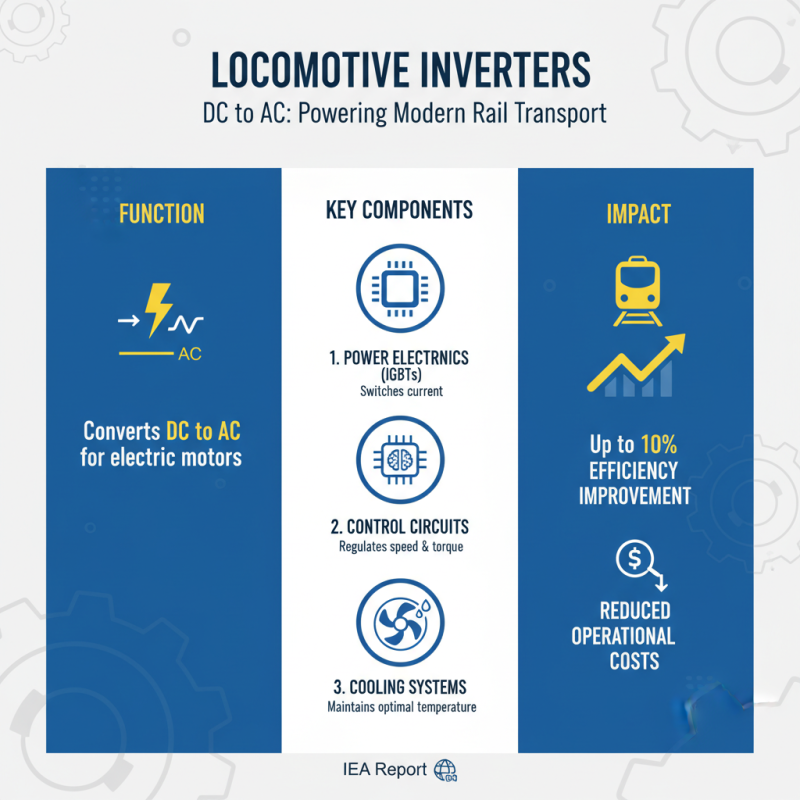
Locomotive inverters play a crucial role in modern rail transport systems, acting as essential components that convert direct current (DC) into alternating current (AC). This conversion process is fundamental because most of the power supplied to locomotives is in DC form, yet the traction motors typically operate on AC. By doing so, inverters enable trains to achieve higher efficiency and improved performance, significantly impacting operational costs. A recent industry report published by the International Energy Agency highlights that electrified railways can reduce greenhouse gas emissions by up to 50% compared to diesel-powered systems, underscoring the vital role of inverters in promoting sustainable transportation.

Moreover, in addition to their primary function of power conversion, locomotives equipped with advanced inverter technology are also able to regenerate energy during braking. This regenerative braking system allows the train to convert kinetic energy back into electrical energy, which can be fed back into the power grid or reused by the train itself, thus enhancing overall energy efficiency. According to a study from the European Rail Research Advisory Council, implementing sophisticated inverter systems can lead to an energy savings of around 30% on average for electric trains.

Tip: When considering the implementation of locomotive inverters, it’s essential to assess the compatibility with existing traction systems and the potential for future scalability. Proper integration can yield maximum operational efficiency and align with sustainability goals. Another critical consideration is the maintenance schedule; regular checks can extend the lifespan and reliability of the inverter systems, ensuring seamless train operations.

The Evolution of Locomotive Inverters in Rail Transport Technology

The evolution of locomotive inverters has been pivotal in enhancing rail transport technology, fostering energy efficiency and operational performance. Initially, locomotives relied on traditional diesel-electric systems, which presented limitations in power conversion and efficiency. The advent of power electronics marked a significant turning point, enabling locomotives to integrate advanced inverter technology that converts direct current (DC) from batteries or other sources into alternating current (AC) for traction motors. This shift has not only optimized power delivery but also minimized energy losses, with modern inverters achieving efficiencies exceeding 95%.

According to recent reports from industry insiders, the locomotive inverter market is projected to grow at a compound annual growth rate (CAGR) of approximately 6.5% through the next decade. This growth is largely driven by the increasing demand for sustainable transportation solutions and the integration of smart grid technologies in rail systems. Inverters today are not merely components; they play a critical role in regenerative braking systems, allowing excess energy generated during braking to be fed back into the power supply, thus improving overall system efficiency. Moreover, advancements in inverter technologies have facilitated the development of hybrid and electric locomotives, setting a new standard for environmentally friendly rail transport solutions.

Understanding Locomotive Inverters: Their Role, Benefits and Applications

Dimension Description Example Value
Input Voltage Range The range of voltage the inverter can accept. 600 - 3000 V DC
Output Power The power that the inverter can deliver to the traction motors. 1 - 6 MW
Efficiency The ratio of useful power output to the total power input. > 95%
Control Method Type of control used for regulating the inverter output. Vector Control / PWM
Applications Types of locomotives and other rail vehicles using the inverter. Passenger, Freight, High-speed Trains
Protection Features Safety measures incorporated to protect the inverter. Over-voltage, Over-current, Thermal protection
Weight The total weight of the inverter system. 600 - 1200 kg
Temperature Range Operating temperature conditions for the inverter. -30 to +50 °C

Key Components of Locomotive Inverters and Their Functions

Understanding Locomotive Inverters Their Role Benefits and Applications

Locomotive inverters play a crucial role in modern rail transport, primarily converting direct current (DC) into alternating current (AC), which is essential for the efficient operation of electric locomotives. Key components of these inverters include power electronic devices, control circuits, and cooling systems. The power electronic devices, such as insulated-gate bipolar transistors (IGBTs), are responsible for switching the current on and off at high frequencies, allowing precise control of the electric motor's speed and torque. A report from the International Energy Agency indicates that the efficiency of locomotives can see improvements of up to 10% through optimized inverter technology, significantly reducing operational costs.

Another important component is the control circuit, which ensures the inverter operates smoothly and interacts with other locomotive systems. This circuit processes signals from various sensors to maintain optimal performance levels. Cooling systems are also vital, as they manage the heat generated during operation, ensuring the inverter's longevity and reliability. According to a study by the Railway Technical Research Institute, effective cooling solutions can extend the lifespan of locomotive inverters by up to 20%, contributing to reduced maintenance costs and enhanced operational efficiency.

Tips for operators: Regular maintenance and monitoring of inverter temperatures can prevent unexpected failures. Implementing predictive maintenance strategies based on real-time data analytics may further enhance reliability and efficiency. Additionally, investing in high-quality power electronic components can yield long-term benefits in performance and maintenance costs, ensuring a more sustainable operation.

Performance Metrics: Efficiency and Power Output in Locomotive Inverters

Locomotive inverters play a critical role in the efficiency and power output of railway systems. Their primary function is to convert DC power into the AC power required by electric traction motors, enabling the effective movement of locomotives. The performance metrics associated with these inverters, such as efficiency and power output, are essential indicators of their effectiveness. High efficiency means less energy is lost during the conversion process, which not only reduces operational costs but also enhances the overall sustainability of railway systems. For instance, inverters that achieve efficiencies above 95% are considered optimal for modern locomotives.

When evaluating power output, the ability of locomotive inverters to handle varying loads in real-time is crucial. This adaptability ensures that locomotives can accelerate efficiently and maintain speed under different conditions. The design of these inverters often incorporates advanced control algorithms, improving their responsiveness and performance across a range of operational scenarios.

Tips: Regular maintenance of locomotive inverters is essential to sustain their efficiency. Inspecting cooling systems and ensuring optimal operating environments can prevent performance degradation. Additionally, integrating real-time monitoring systems can provide valuable insights into inverter performance, facilitating timely interventions when needed.

Applications of Inverters in Diesel and Electric Locomotive Systems

In the realm of modern locomotives, inverters play a pivotal role in enhancing performance and efficiency. They are essential components in both diesel and electric locomotive systems, converting direct current (DC) to alternating current (AC) which is crucial for driving electric motors. In diesel locomotives, inverters enable the smooth operation of various systems while maximizing fuel efficiency. They allow for optimized power distribution, achieving higher levels of torque and acceleration without straining the engine, leading to a more sustainable operation.

In electric locomotives, inverters are integral to regenerative braking systems. This technology allows locomotives to convert kinetic energy back into electrical energy during braking, which can then be reused to power the train or fed back into the grid. Furthermore, inverters facilitate better control over the train's speed and traction, enhancing overall safety and reliability. As rail systems evolve, the integration of advanced inverter technology will continue to shape the future of locomotive engineering.

Tip: When considering upgrades or maintenance for locomotive systems, prioritize inverters that offer modular designs. This approach allows for easier repairs and replacements, minimizing downtime and operational disruptions. Additionally, keep abreast of technological advancements in inverter technology, as newer models often provide better efficiency and performance metrics, translating to long-term cost savings.

Benefits of Advanced Inverter Technologies in Modern Rail Operations

Understanding Locomotive Inverters Their Role Benefits and Applications

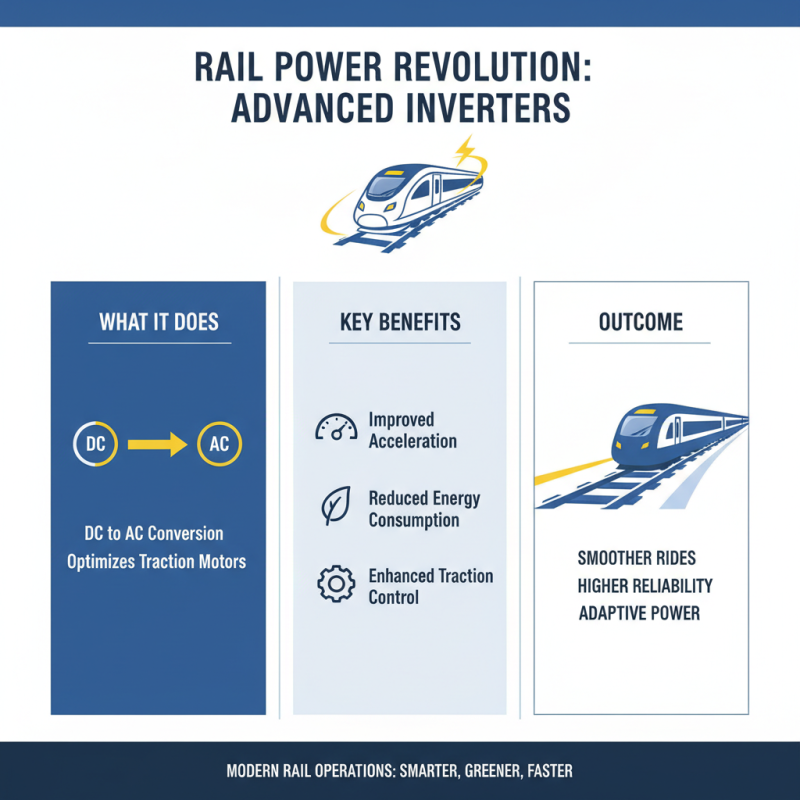
Advanced inverter technologies have become pivotal in modern rail operations, enhancing efficiency and performance in locomotive systems. These systems convert direct current (DC) into alternating current (AC), facilitating the optimal operation of traction motors. This conversion is crucial as it allows locomotives to adjust power output in real-time, adapting to varying load conditions without compromising performance. As a result, trains now benefit from improved acceleration, reduced energy consumption, and enhanced traction control, which leads to smoother rides and higher overall reliability.

Moreover, the integration of advanced inverter technologies contributes significantly to the reduction of operational costs. By optimizing the power usage of locomotives, these inverters minimize energy waste and lower fuel consumption, translating to economic benefits for rail operators. Additionally, the enhanced reliability of these systems reduces maintenance costs and downtime, allowing for more efficient scheduling and improved service availability. The ability to utilize regenerative braking further enhances energy efficiency, enabling trains to return power to the grid or store it for future use, promoting sustainable rail operations. These advancements are reshaping the landscape of rail transportation, making it greener and more cost-effective.

Future Trends: Innovations and Sustainability in Locomotive Inverters

The future of locomotive inverters is increasingly intertwined with innovations and sustainability efforts that aim to meet the growing demand for efficient and eco-friendly transportation solutions. According to a report by Grand View Research, the global railway inverter market is expected to reach $1.5 billion by 2027, driven by advancements in power conversion technologies and increasing investments in electrification of rail networks. This shift towards cleaner energy sources aligns with global climate goals and the push for reducing greenhouse gas emissions in transportation sectors.

Innovative technologies such as silicon carbide (SiC) and gallium nitride (GaN) are revolutionizing the design and performance of locomotive inverters. These materials allow for greater efficiency and reduced thermal losses, enabling trains to operate at lower energy consumption levels without compromising performance. Furthermore, the integration of energy storage systems, such as batteries and supercapacitors, enhances the operational flexibility of locomotives, allowing for regenerative braking and power recovery during transit. Reports indicate that locomotives equipped with advanced inverter technologies could see efficiency improvements of up to 30%, making a substantial impact on overall energy consumption in the railway industry. This strengthens the case for continued innovation in locomotive inverters, steering the industry towards more sustainable practices.

FAQS

: What is the primary function of locomotive inverters?

: The primary function of locomotive inverters is to convert direct current (DC) into alternating current (AC), which is essential for the efficient operation of electric locomotives.

How do locomotive inverters contribute to energy efficiency?

Locomotive inverters enhance energy efficiency by enabling trains to regenerate energy during braking, converting kinetic energy back into electrical energy, which can either be fed back into the power grid or reused by the train itself.

What are the key components of locomotive inverters?

The key components of locomotive inverters include power electronic devices (like insulated-gate bipolar transistors), control circuits, and cooling systems that work together to ensure efficient operation.

Why is proper maintenance important for locomotive inverters?

Proper maintenance is crucial as it can extend the lifespan and reliability of the inverter systems, helping to ensure seamless train operations and reducing unexpected failures.

What innovations are shaping the future of locomotive inverters?

Innovations in materials such as silicon carbide (SiC) and gallium nitride (GaN), as well as the integration of energy storage systems, are shaping the future by improving efficiency and reducing thermal losses.

How do advanced inverter technologies impact operational costs?

Advanced inverter technologies can lead to significant efficiency improvements—up to 30%—which ultimately reduces operational costs in the railway industry.

What should operators consider when implementing locomotive inverters?

Operators should assess compatibility with existing traction systems, potential for future scalability, and maintain a regular maintenance schedule to maximize operational efficiency.

How does the cooling system affect locomotive inverters?

The cooling system is vital for managing heat generated during operation, helping to ensure the longevity and reliability of inverter systems, and can extend their lifespan by up to 20%.

What is the environmental impact of locomotive inverters?

Locomotive inverters contribute to reducing greenhouse gas emissions significantly when compared to diesel-powered systems, supporting sustainable transportation efforts.

What trends are driving the railway inverter market?

The railway inverter market is being driven by advancements in power conversion technologies, increasing electrification of rail networks, and the push for cleaner energy solutions in alignment with global climate goals.

Conclusion

The article "Understanding Locomotive Inverters: Their Role, Benefits, and Applications" provides a comprehensive overview of locomotive inverters, highlighting their fundamental principles and significance in rail transport technology. It traces the evolution of these devices, detailing key components and their functions, which are essential for the efficient conversion of electrical energy in locomotive systems. Performance metrics such as efficiency and power output are discussed, emphasizing their critical roles in enhancing locomotive performance.

Furthermore, the article explores the diverse applications of locomotive inverters in both diesel and electric systems, showcasing their benefits in modern rail operations. As advanced inverter technologies continue to develop, the article also addresses future trends, focusing on innovations and sustainability that promise to further optimize rail transport. Overall, locomotive inverters are vital to the progress and efficiency of contemporary rail networks, ensuring they meet the demands of both operators and passengers.
Lila

Lila

Lila is a dedicated marketing professional with over a decade of experience in the field of energy storage solutions. With a deep understanding of lithium battery storage systems, bi-directional energy storage power supplies, Pure Sine Wave Inverters, marine inverters, vehicle inverters, and static......
Previous Maximizing Value: Understanding After-Sales Support and Maintenance Costs for the Best Solar Charger Inverter